Leg 7 is another leg through this sparsely explored region. We encourage much deeper exploration of this region due to lack of publically known POIs.
- Anchors
Dates
Start Date: July 26, 2026
End Date: August 2, 2026
Distances
Basecamp Line: 4,183.61 Ly
Main Waypoints: 4,183.61 Ly
Optional Waypoints: 4,742.45 Ly
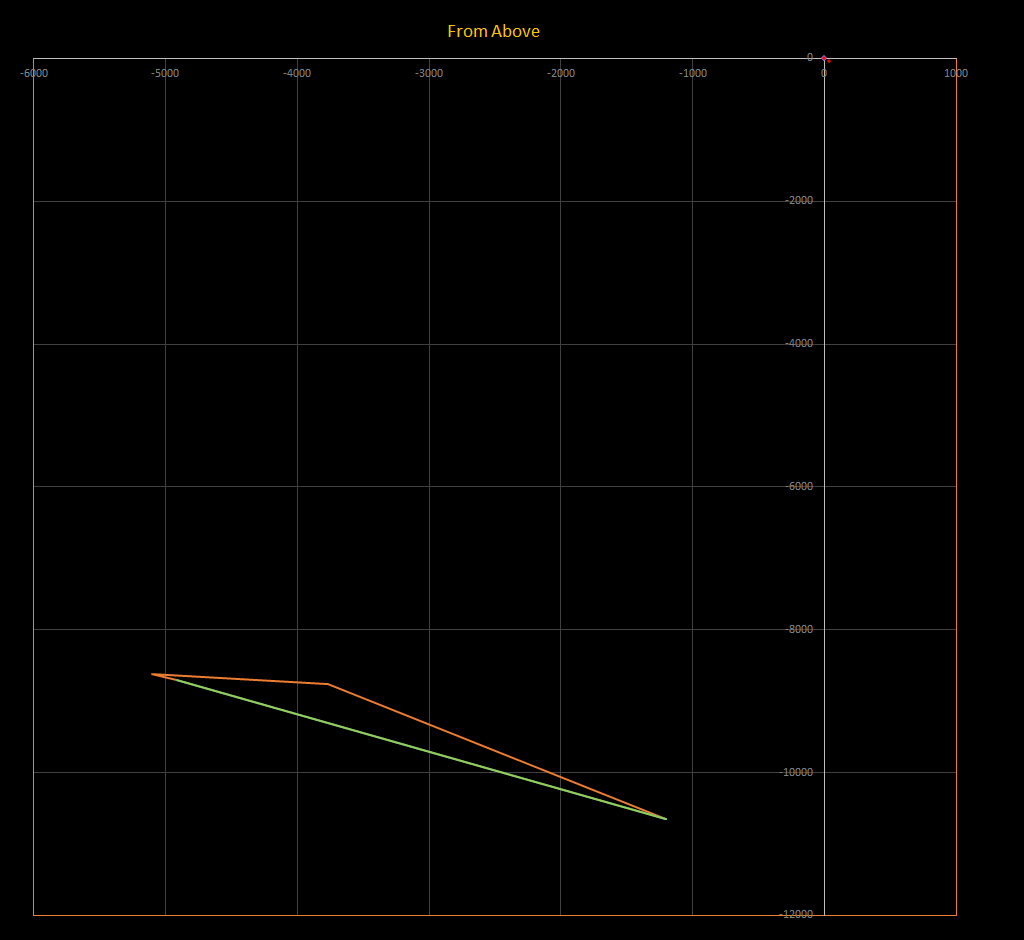
Map, (click for full size):
Basecamp: NGC 1491 Sector EB-X c1-3
Main Waypoints
- Map References quick reference list, more details below
- NGC 1491 Sector EB-X c1-3
Main Waypoints Details
- Map Reference: NGC 1491 Sector EB-X c1-3
- POI: NGC 1491 Nebula and Cluster
- NGC 1491, also known as the Fossil Footprint Nebula is an emission nebula located roughly 9,800 Ly from Earth in the Persues constellation region of the night sky. It was discovered in 1790 by William Herschel.
- SIMBAD Link
- EDSM Link
Additional Waypoints
- Map References quick reference list, more details below
- Dryoi Eaec HF-C d14-3
- Schee Hypue IF-A c3-0
- NGC 1491 Sector EB-X c1-3
Optional Waypoints Details
- Map Reference: Dryoi Eaec HF-C d14-3
- POI: (NC) Thargoid’s Teeth
- This system is the GEC POI known as “Thargoid’s Teeth” as submitted by CMDR PhoenixBlue on behalf of CMDR RoyalKnight557
Summary: Two moons with crystalline shards orbit a ringed Ammonia World in this system.
Description: Situated about 1,150 light-years East of the NGC 1491 Nebula, this system contains a ringed Ammonia World with two moons, both of which are home to Crystalline Shard fields. Carbon dioxide geysers dot the surface of B 7 a, while B 7 b features ammonia-based volcanism.
The crystalline shards on both moons yield ruthenium. The shards on B 7 a seem to populate the flat portions of the moon’s surface, while they’re more populous in the highlands of B 7 b.
In addition to the exobiology payout from sampling the crystalline shards, their ruthenium deposits can be used for premium Automated Field Maintenance Unit module reload synthesis.
The name of this point of interest is inspired by dragon’s teeth fortifications, first used to impede tanks and infantry vehicles in World War II. Clusters of crystalline shards have been known to similarly impede surface reconnaissance vehicles.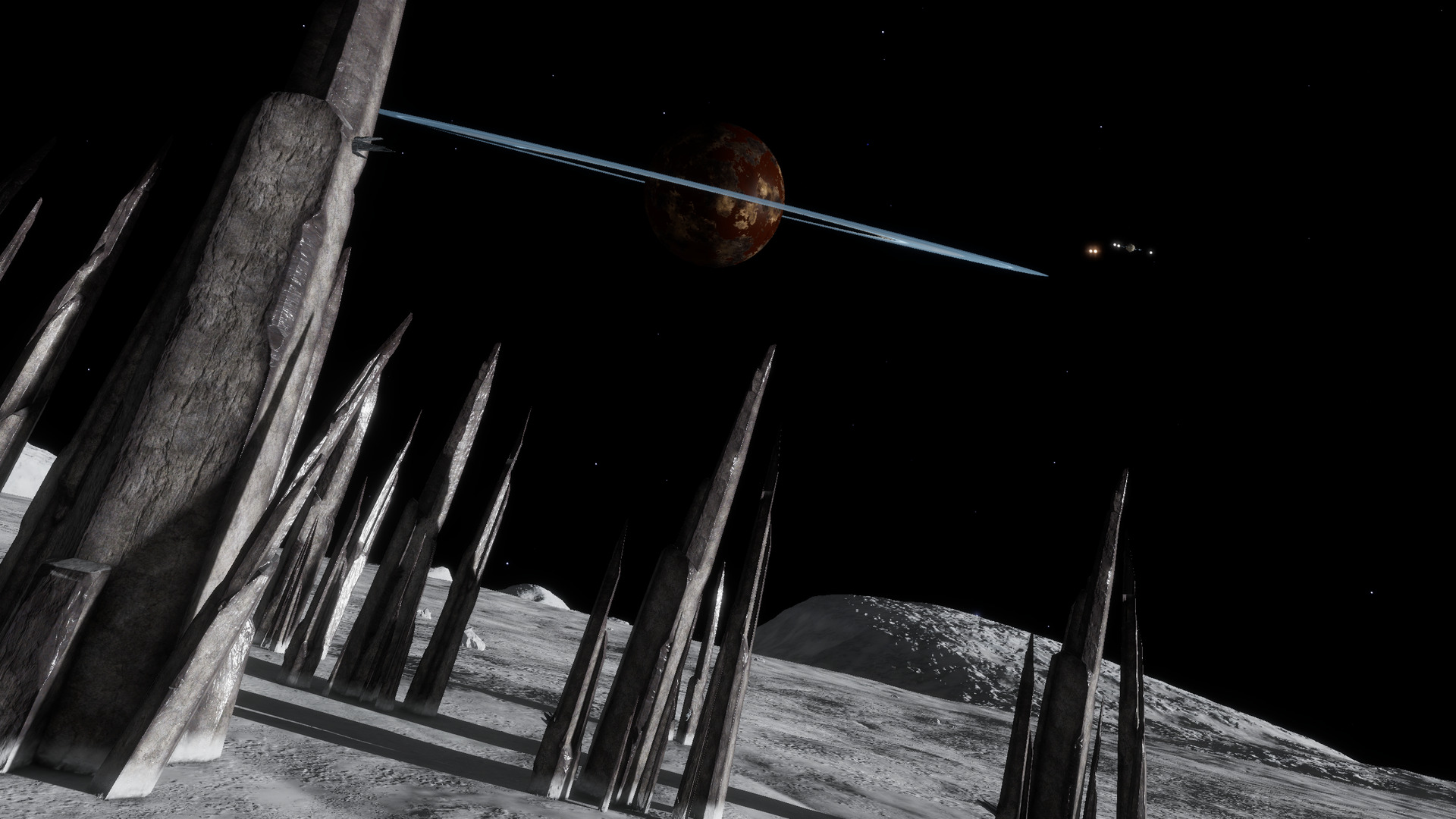
- EDAstro Link
- Map Reference: Schee Hypue IF-A c3-0
- POI: (NC) Stones From The Sky
- This system is the GEC POI known as “Stones from the Sky” as submitted by CMDR Tan Dava on behalf of CMDR Stonsen88
Summary: A satellite (2 a) of a gas giant located so close to its parent’s rings that the asteroids can be seen passing by from the moon’s surface.
Description: The second planet in this system is a ringed gas giant, and its first moon (2 a) is about 200 km away from the outer edge of the ring system. This distance is short enough that explorers disembarking on the moon’s surface can distinguish individual asteroids, without any visual aid.
The moon has geological activity, in the form of major water geysers, and a comparatively low gravity of 0.11 g.
The system has a few other gas giants, each with moons of their own, but nothing is notable about them.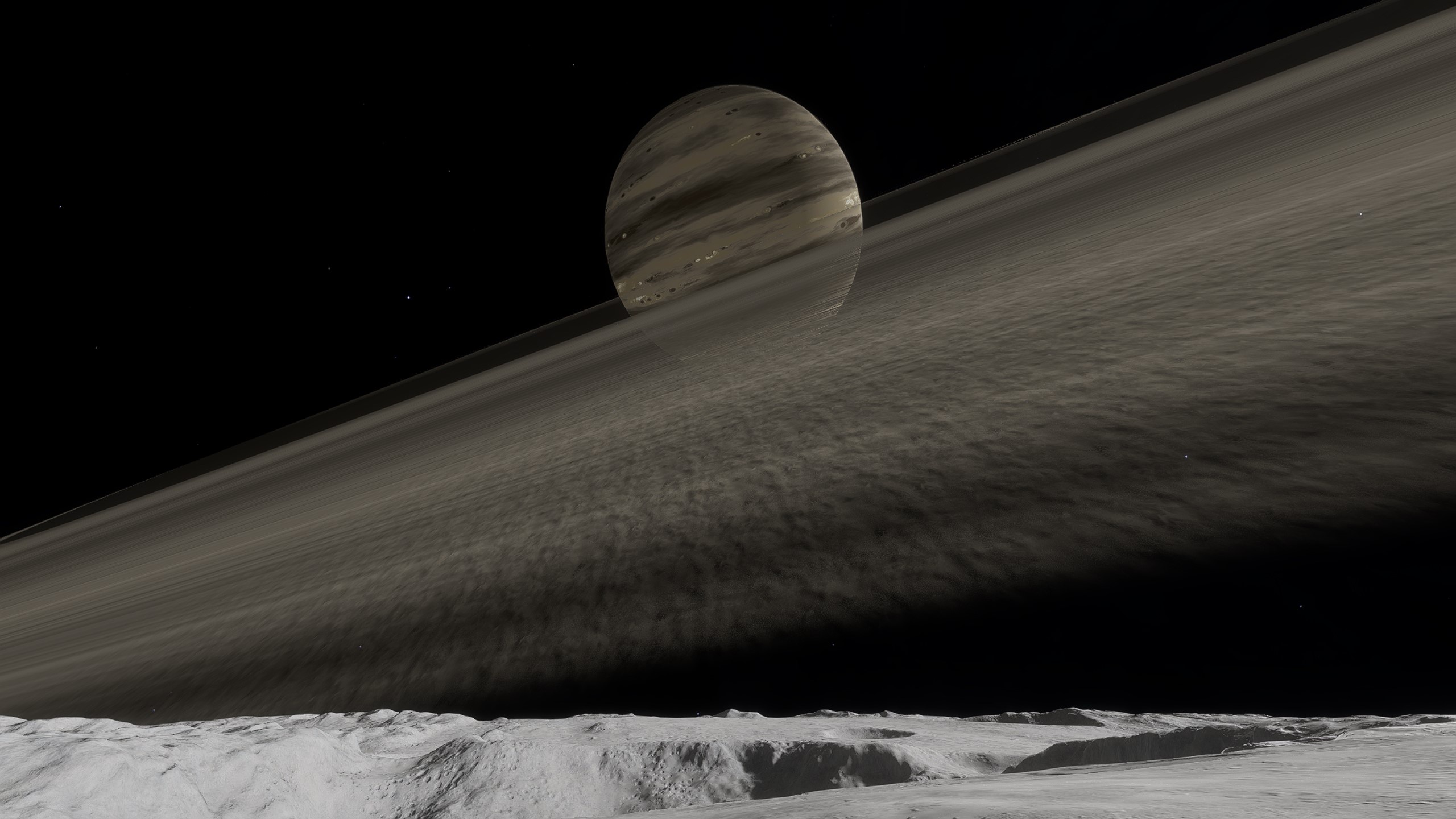
- EDAstro Link