For leg 3 of Celebration of Early Astronomy 8, we are moving from the Seagull Nebula down below to the Jellyfish Nebula, and passing through the NGC 2244 cluster as well as the Rosette Nebula along the way.
- Anchors
Dates
Start Date: June 21, 2026
End Date: June 28, 2026
Distances
Basecamp Line: 2,962.35 Ly
Main Waypoints: 3,960.95 Ly
Optional Waypoints: 4,007.61 Ly
Map, (click for full size):
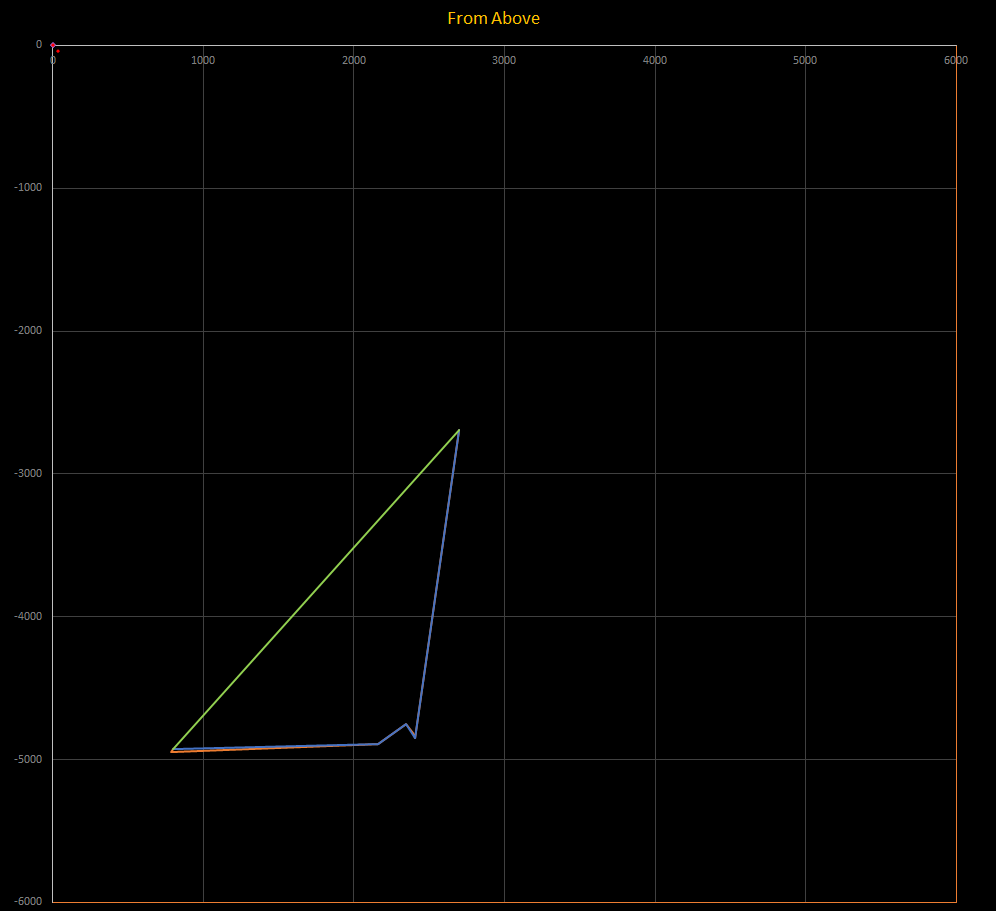
Basecamp: CXOU J061705.3+222127
Main Waypoints
- Map References quick reference list, more details below
- HD 258691
- Rosette Sector CQ-Y d59
- HD 45829
- CXOU J061705.3+222127
Main Waypoints Details
- Map Reference: HD 258691
- POI:NGC 2244 Cluster Start
- NGC 2244, also known as Caldwell 50 is a young cluster in the Rosette Nebula. HD 46223 and HD 46150 are the two brightest members of the cluster. While the former is not in the game, the latter, HD 46150 curiously is in-game but 1,383.34 Ly away from the cluster (as measured as distance from HD 258691).
- SIMBAD Link
- EDSM Link
- Map Reference: Rosette Sector CQ-Y d59
- POI: Rosette Nebula
- The Rosette Nebula, also known as Caldwell 49 is an ionized hydrogen star forming nebula (known as an H II region) in the Monoceros region of the sky as seen from Earth. NGC 2244 is also related to this nebula, having been formed rom the nebula’s matter. There are over 2,500 yound stars in the star forming region of this nebula. Rosette Nebula is also the official astronomical object of the U.S. State of Oklahoma as designated by their legislature in 2019.
In real life the nebula look similar to a human skull and is often also called the Skull Nebula. (Image: https://en.wikipedia.org/wiki/Rosette_Nebula#/media/File:SHO_Final_with_copyright.jpg)
This particular system also is home to the asteroid base New Beginning for your use for any station based needs. - SIMBAD Link
- EDSM Link
- Map Reference: HD 45829
- HD 45829 is a red supergiant that was studied in a 1989 paper of red supergiants that were either far from the galactic plane or moving at unusually fast velocities. HD 45829 being studied as one of the latter. It showed blueshifted Hydrogen-alpha emission wings indicating that it was likely outflowing mass rapidly.
- SIMBAD Link
- EDSM Link
- Map Reference: CXOU J061705.3+222127
- POI: Jellyfish Nebula
- Jellyfish Nebula, also known as IC 443 is a supernova remnant in the Gemini constellation of the night sky as seen from Earth. It appears in the sky near Eta Geminorum, officially known as Propus, which can also be found in the bubble in-game.
Jellyfish Nebula is the remnant of a supernova that occurred 30,000 to 35,000 years ago that likely created the neutron star CXOU J061705.3+222127 which is believed to be the collapsed core of the original star.
Jellyfish Nebula is heavily studied for how supernovae remnants interact with pre-existing molecular clouds as part of the complex making up this nebula is another remnant shell from a supernova estimated to be from around 100,000 years ago known as G189.6+3.3.
Unlike some other supernova remnants like Crab Nebula though (which we will see on a later leg), Jellyfish Nebula is not dominated by the pulsar’s wind. - SIMBAD Link for CXOU J061705.3+222127
- SIMBAD Link for Jellyfish Nebula
- EDSM Link
Additional Waypoints
- Map References quick reference list, more details below
- HD 258691
- NGC 2244 CDZ 346
- Rosette Sector CQ-Y d59
- HD 45829
- Jellyfish Sector FB-X c1-5
- CXOU J061705.3+222127
Optional Waypoints Details
- Map Reference: NGC 2244 CDZ 346
- POI: NGC 2244 Cluster End
- This system is located at the other end of the NGC 2244 cluster from main waypoint HD 258691 to mark out the length of the cluster for those wishing to explore it more in-depth.
- SIMBAD Link
- EDSM Link
- Map Reference: Jellyfish Sector FB-X c1-5
- POI: (Beta Site, station in Jellyfish Nebula)
- This system in the Jellyfish Nebula is home to the asteroid base Beta Site for your use for any station based needs.
- SIMBAD Link
- EDSM Link